
Coordinated Mechanical Operation Across Entire Facilities
Building Automation Systems in Milltown for facilities managing multiple interconnected HVAC zones and equipment
Large mechanical systems become difficult to manage when each piece of equipment operates independently without centralized visibility or coordinated control. Building automation systems integrate HVAC equipment, controls, and day-to-day mechanical operations into a unified platform, allowing commercial and industrial facilities to monitor performance, adjust settings, and troubleshoot issues from a single interface. Rylee Mechanical designs, installs, and upgrades automation systems across New Jersey, New York, and Pennsylvania for clients whose mechanical infrastructure has outgrown manual coordination or isolated control strategies.
Automation planning involves mapping existing equipment, identifying integration points, selecting appropriate control protocols, and configuring the system to reflect how the facility actually operates. The process accounts for chillers, boilers, air handlers, cooling towers, and other interconnected components, ensuring that changes to one system trigger appropriate responses across the mechanical plant.
Arrange a consultation to discuss automation planning based on your current mechanical setup and operational objectives.
What Proper Automation Requires
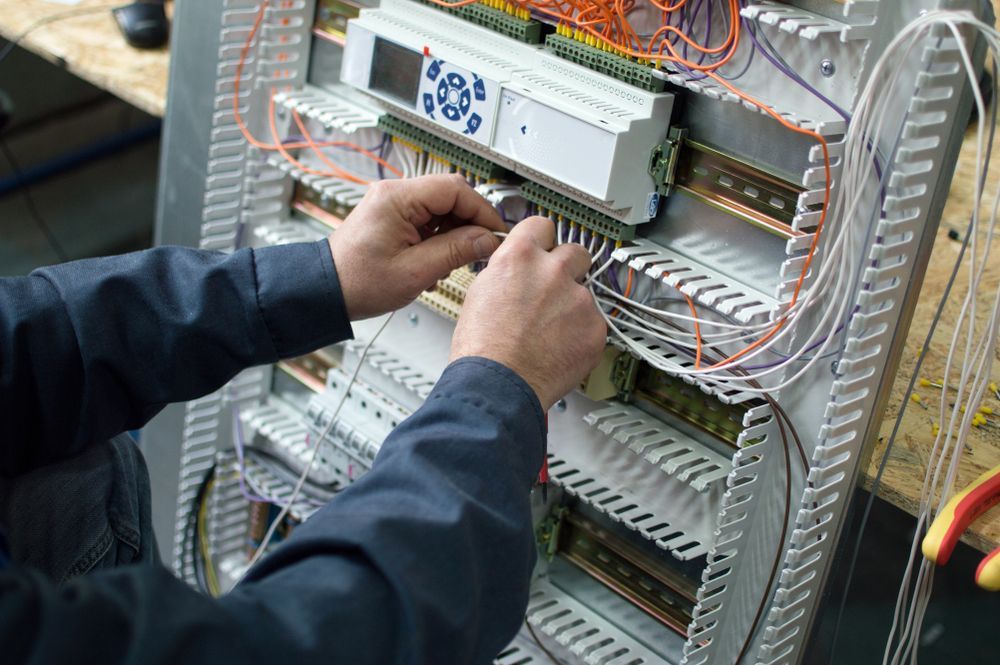
Effective building automation depends on accurate sensor placement, reliable communication between devices, and control logic that reflects actual facility conditions rather than generic programming. Installation involves integrating variable speed drives, zone controllers, and environmental sensors into a cohesive network, then programming sequences that coordinate equipment startup, load balancing, and shutdown procedures to prevent conflicts or inefficient operation.
After automation is in place, operators see real-time performance data across all connected equipment, receive alerts when operating parameters drift outside acceptable ranges, and adjust setpoints or schedules without visiting individual mechanical rooms. Troubleshooting becomes more straightforward because fault logs capture detailed information about when issues began and which equipment was affected, reducing diagnostic time and preventing minor irregularities from escalating into system-wide failures.
System upgrades can proceed incrementally, adding zones or equipment as budgets allow, but initial planning should account for the full mechanical infrastructure to avoid compatibility issues or protocol mismatches later. Automation systems also require ongoing review to ensure programming remains aligned with changing facility use patterns and equipment configurations.
Answers to Frequent Automation Questions
Building automation involves technical complexity and long-term planning. These responses clarify what facilities should consider before implementing or upgrading a system.
What distinguishes building automation from individual equipment controls?
Automation integrates multiple devices into a centralized system that coordinates their operation, while standalone controls manage only the equipment they're attached to without visibility into how other systems are performing or responding to changing conditions across the facility.
How does automation support consistent mechanical operation in Milltown's variable climate?
The system adjusts heating and cooling equipment based on real-time outdoor temperature, humidity, and occupancy data rather than fixed schedules, allowing mechanical systems to respond appropriately to seasonal transitions and unexpected weather changes without manual intervention for each zone or piece of equipment.
What happens during the automation planning process?
Planning begins with a detailed survey of existing mechanical equipment, control infrastructure, and facility operational patterns to determine integration requirements, identify protocol compatibility, and develop control sequences that reflect how interconnected systems should coordinate during normal operation and fault conditions.
Why do some facilities choose phased automation implementation?
Phased projects allow critical systems to be integrated first, provide time to evaluate system performance before expanding, and distribute costs across multiple budget cycles while maintaining operational continuity in areas not yet connected to the automation platform.
What ongoing maintenance does building automation require?
Systems need periodic software updates, sensor calibration, network health checks, and programming adjustments as facility use patterns change or equipment is added, ensuring that automation continues to reflect actual operating conditions rather than outdated configurations.
Rylee Mechanical works with commercial and industrial clients managing sophisticated HVAC infrastructure that benefits from coordinated control. Reach out to evaluate your current system or explore automation options that match your facility's complexity and operational needs.