Mechanical Infrastructure Built for Long-Term Operation
Commercial Mechanical Projects in Milltown for planned equipment modernization and system integration
Larger commercial mechanical projects involve defined scopes where cooling equipment, HVAC systems, controls, pumps, and water infrastructure are replaced, upgraded, or installed as part of a coordinated plan. Rylee Mechanical works with facilities across New Jersey, New York, and Pennsylvania where aging mechanical systems need modernization or where building expansions require new capacity. Unlike reactive repairs that address individual component failures, these projects are scheduled around facility operations, with sequencing plans that account for equipment lead times, shutdown coordination, and integration with systems that remain in service during the transition.
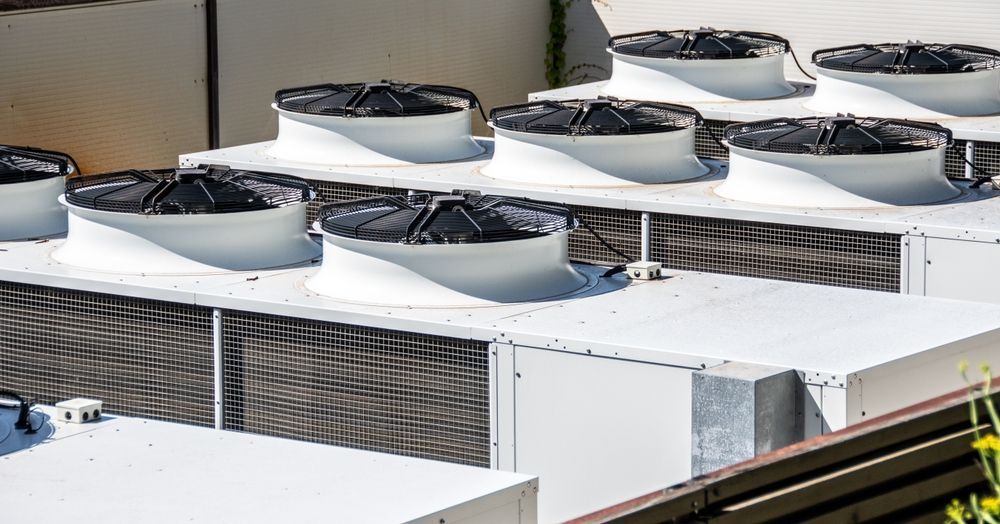
Project work includes chiller replacements, boiler installations, air handling unit upgrades, pump and water system overhauls, control modernization, and mechanical room renovations where multiple components are updated together. Execution depends on clear scope definition, accurate site measurements, and coordination with facility schedules to avoid conflicts with production cycles or occupancy demands.
Submit project documentation to discuss scope details, equipment selection, and installation scheduling.
Why Defined Project Scopes Work Better
Planned projects begin with site evaluation to confirm equipment dimensions, structural load requirements, electrical capacity, rigging access, and any modifications needed to accommodate new systems. Union labor handles equipment removal, installation, piping and duct modifications, refrigerant management, electrical coordination, and startup procedures that follow manufacturer commissioning guidelines and local code compliance standards.
Facility teams notice that completed projects deliver consistent capacity, predictable control responses, and equipment that operates without the noise, vibration, or frequent alarms common with aging systems. New installations integrate smoothly with building automation platforms, allowing remote monitoring and adjustment without requiring constant manual intervention from maintenance staff.
Complex scopes often involve phased installations, temporary mechanical support during transitions, and close coordination with controls contractors, electrical teams, and facility personnel who manage building operations. Projects that address cooling, heating, ventilation, and water systems together avoid the inefficiencies that result from upgrading components individually without considering how they interact under varying load conditions.
Questions About Planned Mechanical Work
Facility managers planning equipment replacements, renovations, or system expansions often have questions about project sequencing, scope boundaries, and coordination before moving forward with a commercial mechanical project.
What distinguishes a planned mechanical project from general service work?
Projects involve defined scopes with specific equipment deliverables, scheduled installation windows, coordination across multiple trades, and integration requirements that ensure new systems work correctly with existing infrastructure rather than addressing isolated equipment failures as they occur.
How are installation timelines developed for commercial mechanical projects?
Timelines account for equipment procurement lead times, facility shutdown availability, rigging and access logistics, coordination with other trades, and commissioning steps required before the new system can be released to facility operations without ongoing contractor support.
Why does system integration matter during mechanical modernization?
New equipment must communicate with existing building controls, match the capacity and flow characteristics of connected piping or ductwork, and operate within the limits of electrical service, water supply, and ventilation infrastructure that may not be replaced as part of the current project scope.
What preparation is needed before starting a mechanical project in Milltown?
Facilities confirm access routes for equipment removal and delivery, verify shutdown windows and utility isolation procedures, clear staging areas for materials and old equipment, and establish communication protocols so operations teams understand when systems will be offline and what temporary measures are in place.
How does union labor affect project execution quality?
Experienced union mechanics follow standardized installation procedures, complete refrigerant recovery and charging according to environmental regulations, ensure piping and electrical connections meet code requirements, and handle commissioning steps that prevent startup failures or performance gaps after installation.
Rylee Mechanical coordinates commercial mechanical projects from scope definition through equipment startup and system integration. Contact our team to review upcoming renovation plans, discuss equipment modernization needs, or outline a project involving HVAC, cooling, controls, or water system infrastructure requiring organized execution and technical coordination.