
Water Systems That Keep Operations Running
Pumps and Water Systems in Milltown for chilled water plants and critical HVAC infrastructure
Rylee Mechanical handles pumps and water systems that move chilled water through commercial and industrial facilities, supporting cooling operations and connected HVAC equipment. These components rarely fail in isolation—pump performance issues often trace back to control problems, water quality changes, or demand mismatches across the entire mechanical system. Facilities in Milltown and across New Jersey rely on these systems to maintain consistent cooling during peak demand periods, and even minor pressure or flow disruptions can cascade into comfort complaints or equipment shutdowns.
The work involves troubleshooting pumps within the context of the larger chilled water loop, evaluating motor performance, variable frequency drives, pressure differentials, and how the equipment responds to changing loads. This approach identifies whether a pump itself has failed or if upstream conditions—blocked strainers, valve position changes, or control sequences—are causing the symptoms observed by facility staff.
Request an on-site evaluation to review pump operation and chilled water system performance together.
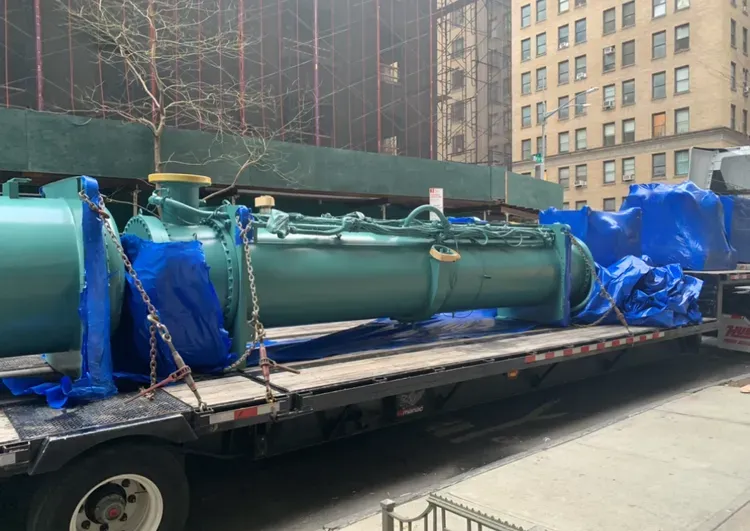
How Water System Work Connects to Mechanical Performance
Repairs and replacements are coordinated with shutdown schedules, and upgrades often include installing variable frequency drives to improve flow control and reduce energy draw during low-load periods. When replacing aging pumps, motor frame size, alignment tolerances, and piping modifications are addressed as part of the scope to avoid vibration issues or performance gaps after startup.
After the work is finished, facility managers notice more stable pressure readings across the loop, quieter operation near pump locations, and fewer alarms triggered by low differential pressure or flow sensor faults. Systems respond predictably when cooling loads increase, and equipment runs without the grinding noise or excessive heat that signals bearing wear or alignment drift.
Larger projects often involve multiple pumps, header piping modifications, and integration with building automation systems so operators can monitor flow and pressure remotely. These installations require sequencing around existing operations and coordinating with other trades when ductwork, electrical panels, or structural supports are affected by equipment changes.
What Facility Managers Ask Before Starting
Commercial mechanical systems depend on pumps and water infrastructure working correctly under varying load conditions, and questions about troubleshooting, upgrades, and long-term planning come up frequently during project discussions.
What causes a pump to lose pressure even when the motor is running?
Flow loss typically results from impeller wear, air in the suction line, closed isolation valves, or clogged strainers that starve the pump inlet, and diagnosing the issue involves checking differential pressure, valve position, and strainer baskets before assuming the pump itself has failed.
How does variable frequency drive installation improve water system performance?
VFDs allow pump speed to adjust based on real-time demand rather than running at full capacity continuously, which reduces energy consumption during low-load periods and eliminates the need for throttling valves that waste pressure and create flow turbulence.
When should an aging pump be replaced instead of repaired?
Replacement makes sense when bearing failures occur repeatedly, when efficiency has degraded significantly compared to original performance curves, or when motor windings show signs of insulation breakdown that repair costs approach the price of new equipment with updated controls.
What preparation is needed before a pump replacement project in Milltown?
Facilities must arrange a system shutdown or temporary cooling bypass, confirm electrical disconnects and rigging access for equipment removal, and verify that new pump dimensions and piping connections match existing infrastructure or plan for modifications during the installation window.
How are water system upgrades coordinated with other mechanical work?
Pump replacements, VFD installations, and piping modifications are often scheduled alongside chiller overhauls or control system updates so that the entire loop is optimized together rather than addressing components separately and missing integration opportunities.
Rylee Mechanical works with facility teams to assess pump performance, plan equipment upgrades, and coordinate water system projects that integrate with broader mechanical infrastructure. Contact our office to discuss troubleshooting findings, review replacement options, or outline a planned project scope involving pumps and related components.