Systems That Support Daily Building Operations
Commercial HVAC Services in Milltown for nonresidential facilities requiring responsive mechanical support
Rylee Mechanical provides commercial HVAC services in Milltown and throughout New Jersey, New York, and Pennsylvania for offices, institutional properties, and industrial facilities managing complex heating, cooling, and ventilation equipment. Unlike residential systems that run on predictable schedules, commercial equipment operates under variable occupancy loads, extended runtime demands, and integration requirements with building management systems that create distinct failure patterns and service considerations. The difference between a building maintaining comfortable conditions and one facing occupant complaints often comes down to whether HVAC systems receive coordinated mechanical attention that accounts for how equipment actually operates under commercial use.
This service covers equipment troubleshooting, system diagnostics, planned upgrades, replacements, and project support across the full range of commercial mechanical systems. The work involves evaluating performance against operational requirements, coordinating service around building schedules, and addressing equipment concerns through systematic problem solving rather than isolated component replacement.
Schedule an on-site evaluation to review current equipment conditions and discuss specific HVAC concerns affecting your facility.
How Commercial Equipment Differs From Residential Systems
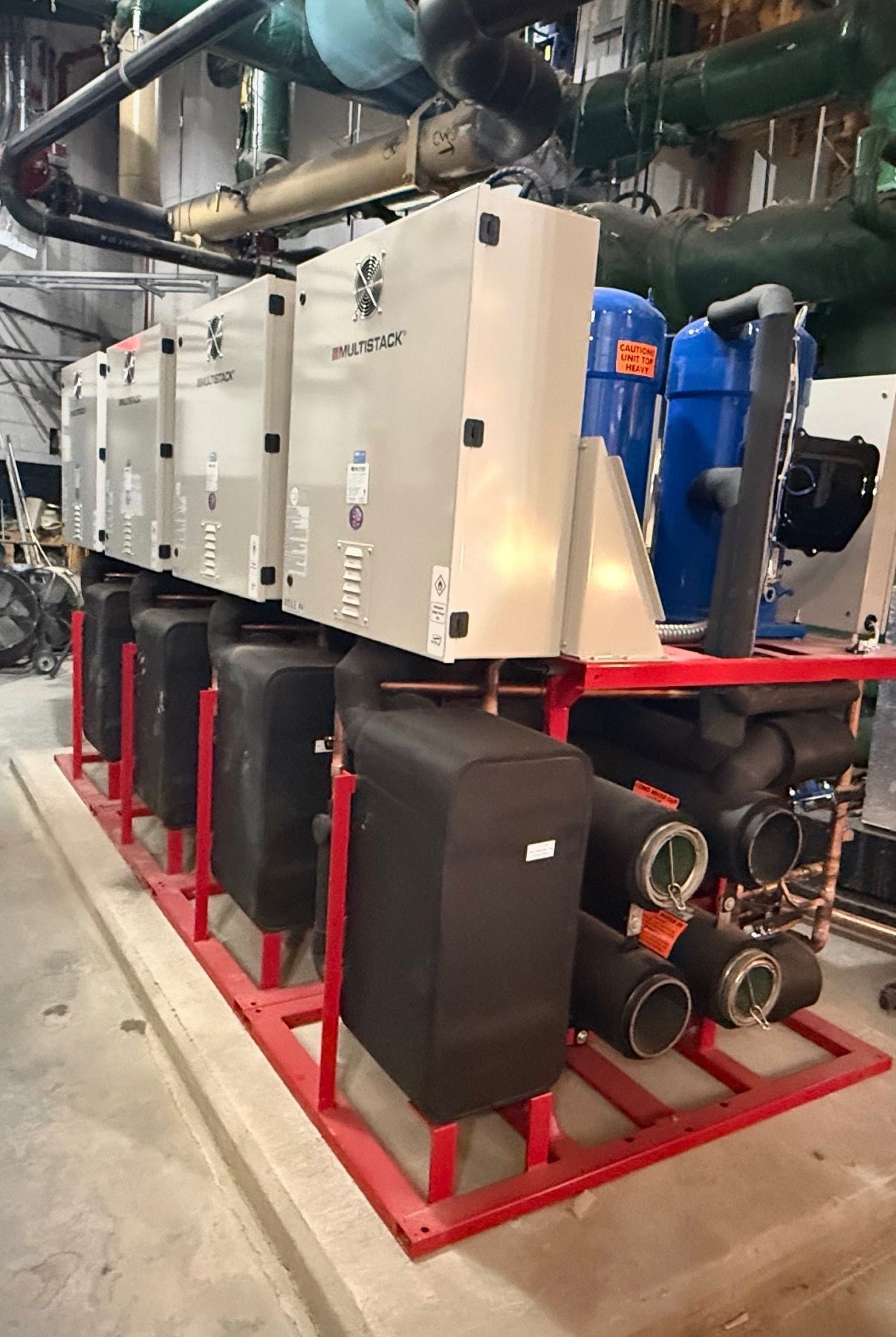
Commercial HVAC equipment handles simultaneous zone control, makeup air requirements, and load calculations that change throughout the day as occupancy shifts and outdoor conditions vary. Packaged rooftop units, split systems serving multiple floors, and centralized air handling equipment require diagnostic approaches that account for control sequences, damper operation, and equipment staging patterns that residential systems do not use.
After service is completed, building operators notice more consistent temperature control across occupied zones, quieter equipment operation during startup cycles, and fewer service calls triggered by occupant complaints. Systems cycle properly based on actual demand rather than running continuously or short cycling due to control problems or refrigerant issues that were previously masked by other symptoms.
The scope of commercial work includes coordinating with facility teams to plan service during low-occupancy periods, providing clear documentation of what was found and what was addressed, and distinguishing between issues requiring immediate repair versus conditions that can be scheduled as part of planned upgrades. Rylee Mechanical works strictly with commercial and industrial clients, which means the approach reflects an understanding of how building systems interact and how downtime affects operations.
Questions Facility Teams Typically Ask
Building managers and facility operators often want to understand what commercial HVAC service involves before committing to system work or equipment changes.
What does a commercial HVAC evaluation actually involve?
The process includes reviewing current equipment operation, checking control sequences and staging behavior, measuring airflow and temperature differential across zones, and identifying any components showing wear or performance degradation that could lead to future problems.
How does service get scheduled around building operations in Milltown?
Work is coordinated based on occupancy schedules, critical system requirements, and whether the repair can wait for a planned shutdown or requires immediate attention to prevent further equipment damage or operational disruption.
Why do commercial systems require different expertise than residential equipment?
Commercial HVAC systems use multi-stage compressors, economizer controls, variable air volume dampers, and integrated building automation that require diagnostic tools and troubleshooting methods not used in residential service.
What indicates that HVAC equipment needs replacement rather than repair?
Age alone does not determine replacement timing; the decision depends on whether parts are available, whether efficiency has degraded significantly, how often the system requires service, and whether the equipment still meets current building loads and code requirements.
How long does typical commercial HVAC service take?
Duration depends on system complexity and what the diagnostic process reveals; addressing a control board failure on a rooftop unit differs significantly from troubleshooting inconsistent cooling across a multi-zone system with damper and sensor concerns.
Rylee Mechanical provides commercial HVAC support for nonresidential facilities throughout New Jersey, New York, and Pennsylvania with a focus on coordinated mechanical service rather than isolated equipment fixes. Contact our team to discuss system performance concerns or schedule diagnostic service for your building.